

.jpg?class=grid1)



‘A VERY EQUAL SORT OF TRIANGLE’: MUSIC MIRRORS LIFE FOR THE SITKOVETSKY TRIO
BY BEN NICHOLLS
FRIDAY 29 MAY 2026
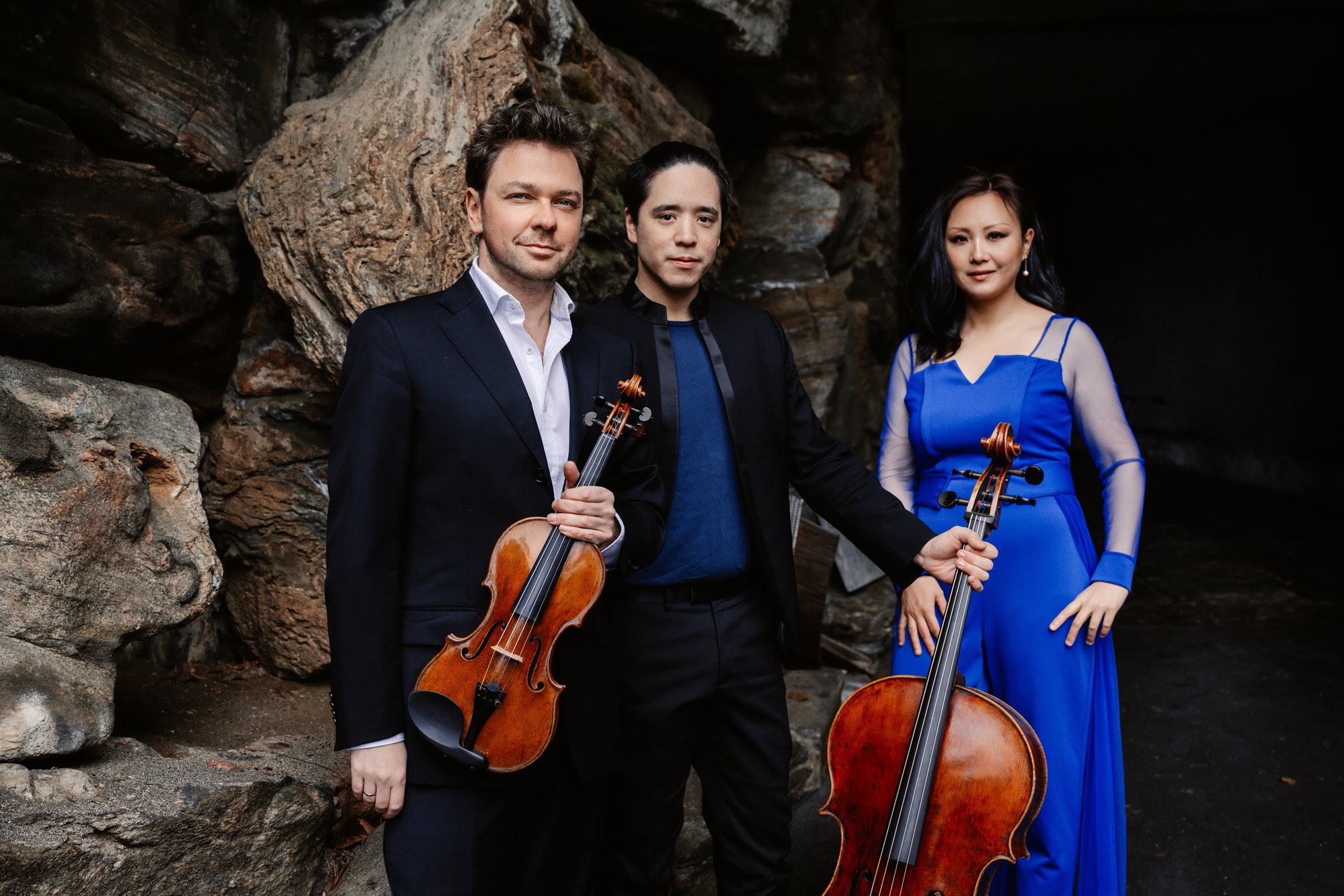
Alexander Sitkovetsky emails to say he will be a little late for our video call, ‘rehearsal overran a bit and I’m running back to my hotel.’ He is in Wrocław, Poland, where he directs the NFM Leopoldinum Orchestra, one of the world’s leading string ensembles. True to his word, Alexander is soon on the call, lit by Wrocław’s mid-afternoon sun streaming through his hotel window. We are here to talk about the upcoming tour with his eponymous band, the Sitkovetsky Trio, one of the finest piano trios performing today.
In 2027, they will celebrate the Trio's twentieth anniversary and commemorate the two-hundredth anniversary of Beethoven’s death. This coincidence is a natural fit for the group who have made celebrated recordings of the composer’s works and been artists in residence at Beethovenfest Bonn. Alexander teases some of their plans for next year: a few premieres of new music they have commissioned, maybe a few performances of the Beethoven Triple (the concerto for piano, violin, cello and orchestra), and a few cycles of the piano trios.
The group’s other members – cellist Isang Enders and pianist Wu Qian (who is married to Alexander) – are just as busy as their violinist. All three perform for the Chamber Music Society of Lincoln Center in New York, often individually or with other artists, and Wu Qian and Alexander are official members of that prestigious organisation. This combination of independence and interdependence is part of what makes the piano trio genre so compelling, and the Sitkovetsky Trio such a brilliant exponent of the form. Throughout our conversation, Alexander champions the medium as much as his own ensemble. For his Trio, he says, ‘it’s something that is always at the centre of our lives, because we feel that it’s a very equal sort of triangle, and we can all be equally part of it, both for the collective and for the individual.’
Cécile Chaminade (1857–1944)
Piano Trio No. 2 in A minor, Op. 34
Maurice Ravel (1865–1937)
Duo for Violin and Cello
Lena Sierova (b. 1983)
Bucha
Robert Schumann (1810–1856)
Piano Trio No. 3 in G minor, Op. 110
Joseph Haydn (1732–1809)
Piano Trio No. 39 in G major, Hob. XV:25 Gypsy
Ernő Dohnányi (1877–1960)
Serenade in C, Op. 10
Johannes Brahms (1833–1897)
Piano Quartet No. 1 in G minor
The Trio’s two concerts at UKARIA exemplify their balance of continuity and variation. On Saturday 18 July they begin with a little-known piece by Cécile Chaminade, her second piano trio. Chaminade was a famous composer in the late-nineteenth century, though somewhat forgotten in the wake of iconoclasts like Claude Debussy and Maurice Ravel. ‘For us, this piece really stands out,’ Alexander says, ‘and so we are very, very passionate, supportive, and determined advocates of that piece.’ He thinks that they have performed the Chaminade more than thirty times this year in their mission ‘to show what a fantastic composer Cécile Chaminade is,’ and pairing this with Ravel’s Duo for Violin and Cello reveals the diversity of French music around the turn of the century. This is followed by a new piece by Ukrainian composer Lena Sierova, before concluding with Robert Schumann’s third piano trio. In the second of their two concerts at UKARIA, the Trio explores a more collaborative mode.
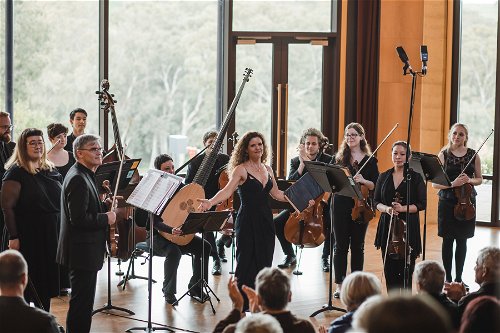
They are joined on Sunday 19 July by Stefanie Farrands, Principal Violist with the Australian Chamber Orchestra. The Trio have not performed with her before, but Alexander tells me they have been in touch via email and that everyone he has ‘talked to speaks so highly of Stefanie.’ New collaborations like this are part of what makes touring special, and he explains how he thinks about these opportunities. ‘All musicians love this,’ he says, ‘especially when you’re going to go somewhere far, it really makes sense to not just come in for one concert or one program.’ He has also been asking colleagues about UKARIA. ‘Of course, everybody talks about the nature and the concert hall itself and the atmosphere,’ he says, ‘but also that idea that you can really go there for a few days and kind of make it your home or make it your base and create not just one program but sort of create a little overview of certain things.’
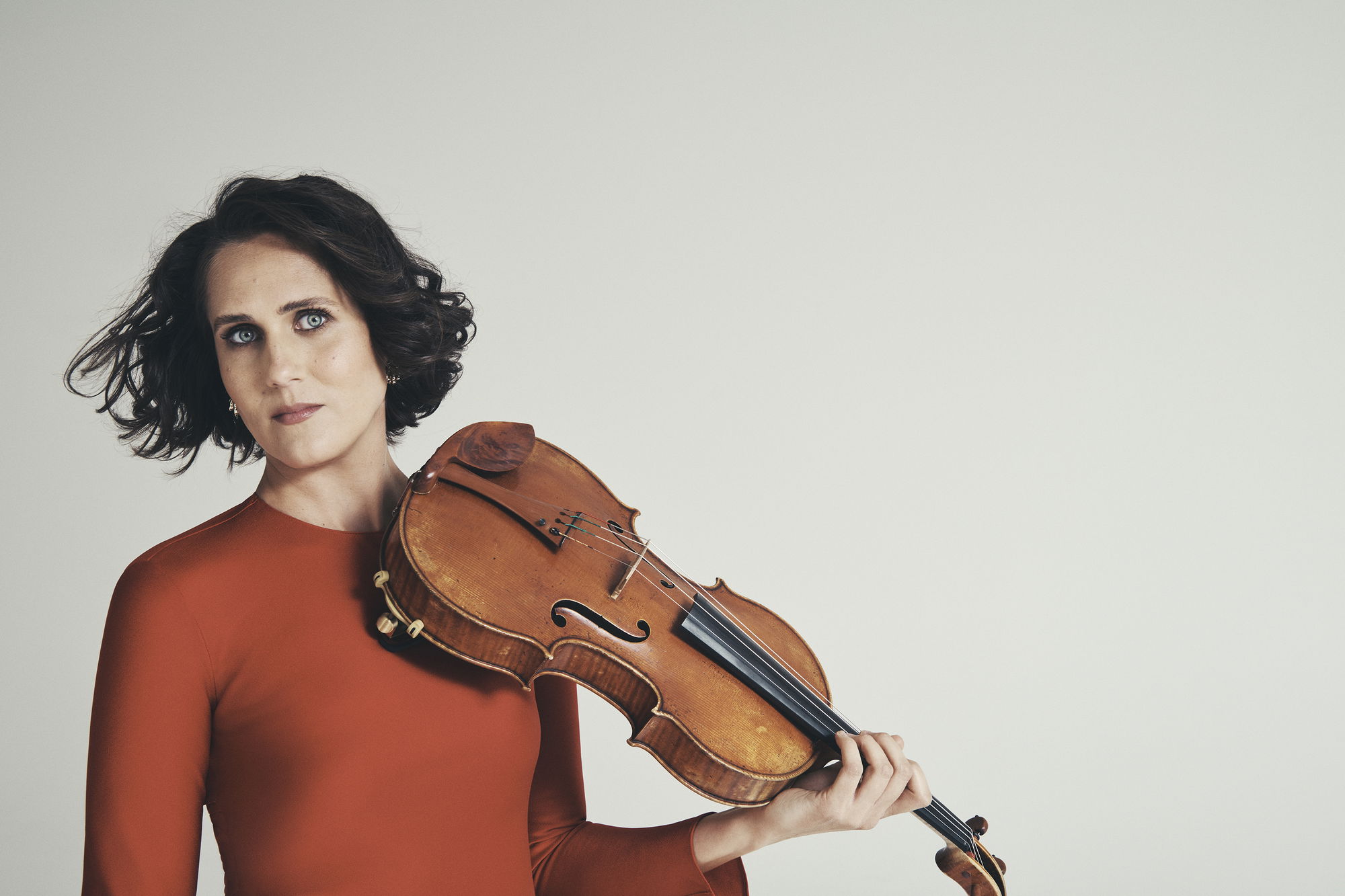
In that vein, their Sunday concert focusses on Hungarian music and those who have been inspired by it. ‘Through the eyes of Haydn, through the eyes of Brahms,’ and with Hungarian composer Ernő Dohnányi’s Serenade in the middle, it is a clever program in which each piece requires a different combination of musicians. Haydn’s piano trio with its ‘Rondo all'Ongarese’ finale is followed by Dohnányi’s string trio (featuring Alexander, Stef and Isang, with the piano to the side). Wu Qian rejoins the others after interval for Brahms’ Piano Quartet. This expansion of forces is the logical culmination of the weekend’s two concerts and the ensemble’s flexibility around the core trio.
At the end of our conversation, Alexander returns to the piano trio as a genre and how it has shaped their careers. ‘For the kinds of musical lives that the three of us have, which are quite versatile,’ he tells me, ‘the piano trio is just a perfect hybrid of everything that we love to do in music.’


This story features SoundCite integration indicated by grey text highlights. If you tap or click those highlights you can hear Alexander speaking and an excerpt from the Haydn Piano Trio.
Sounds Cited:
Interview with Alexander Sitkovetsky, Friday 8 May at 10pm (ACST) / 2.30pm (CEST).
Sitkovetsky Trio playing Joseph Haydn's Piano Trio in G, Hob. XV:25.